Dental Bridge Failure: What It Is and How to Avoid It
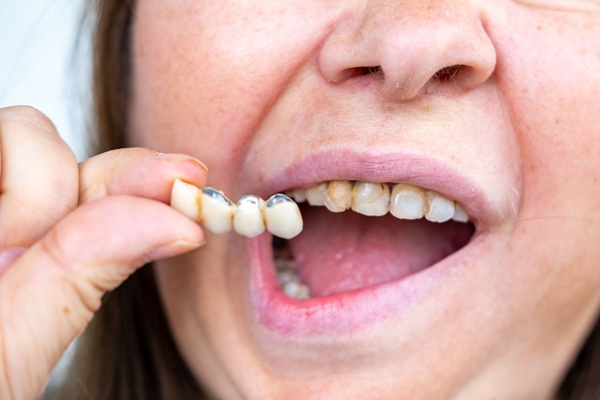
A dental bridge provides a reliable way to replace missing teeth, but understanding the indicators of dental bridge failure helps patients protect their long-term oral health. This prosthetic appliance consists of custom artificial teeth suspended between two or more supporting dental crowns. While these restorations restore chewing functionality and visual balance, structural complications can arise over time. General practitioners focus on identifying these issues early through routine diagnostic assessments. Recognizing the symptoms of instability allows individuals to seek corrective care before extensive damage occurs to the surrounding bone and gum tissues.
Recognizing indicators of restoration breakdown
Patients can identify developing structural issues by monitoring the physical stability of their dental restorations. When a dental bridge fails, the protective seal between the supporting crown and the natural tooth layers is compromised. This separation allows harmful oral bacteria to seep beneath the appliance, leading to hidden tooth decay. Over time, this decay weakens the structural foundation, making the prosthetic loose or unstable.
Physical discomfort is often a primary warning sign of a compromised restoration. Individuals should pay attention to persistent sensitivity to temperature changes or to sweet foods near the appliance. Pain while applying biting pressure or localized swelling in the adjacent gum tissues also signals a need for professional evaluation. Digital radiographs allow a general provider to examine the underlying bone levels and check for deep infections that visual inspections cannot detect.
When replacement may be needed
Some cases of dental bridge failure require more than a small repair. A dentist may recommend replacement when decay reaches deep within the tooth, the supporting teeth lose strength, or the bridge no longer fits the bite. A poor fit can place uneven pressure on nearby teeth and jaw joints, leading to soreness or changes in chewing patterns. Replacing the appliance can help restore normal function and reduce strain on the surrounding structures.
Patients should avoid trying to adjust a loose bridge at home. Over-the-counter adhesives can trap bacteria, making the area harder to clean. A professional exam allows the dentist to check the bridge, supporting teeth, gums, and bite before recommending repair or replacement.
Proactive ways to maintain oral appliances
Maintaining a detailed oral hygiene routine is essential for protecting dental restorations and preventing dental bridge failure. Plaque accumulation along the gumline threatens the stability of the supporting teeth, which means daily brushing and specialized flossing are necessary. Using designated interdental brushes or floss threaders helps clear food particles from beneath the artificial tooth.
Individuals can protect their dental appliances by adopting specific preventative habits:
- Avoid chewing on hard items such as ice, hard candies, or writing utensils
- Wear a protective nightguard if chronic teeth grinding or clenching occurs
- Schedule clinical cleanings every six months to clear calcified tartar
Implementing these daily precautions reduces unnecessary stress on the porcelain materials and extends the lifespan of the restoration.
Protecting longevity through professional care
Consistent clinical observation ensures that dental prosthetics remain functional and properly aligned for many years. During routine dental examinations, a practitioner checks the margins of the dental crowns to verify that the bonding material remains intact. If a patient notices movement or a change in their bite alignment, scheduling a diagnostic assessment right away helps prevent the problem from worsening. Addressing minor shifting early allows the team to preserve the healthy tooth structure beneath the surface. For more information or to schedule an appointment, call our office.
Request an appointment here: https://www.sweetsmilesracine.com or call Sweet Smiles Mt Pleasant at (262) 276-4601 for an appointment in our Mt Pleasant office.
Check out what others are saying about our dental services on Yelp: Dental Bridges in Mt Pleasant, WI.
Related Posts
Dental crowns offer more than a cosmetic solution to fixing damaged teeth. They are a long-term investment in your oral health. While crowns are designed to be durable, they are not permanent and may need to be replaced in the future. By understanding the average lifespan of these dental restorations, you can protect your smile…
An implant crown is made of strong and safe materials to give the patient a reliable long-term replacement option for missing teeth. If you have questions about the materials used to make an implant crown, this review can help you understand what exactly each component is made of and why dentists use these particular materials.There…
A tooth extraction can relieve pain, remove a badly damaged tooth, or prepare the mouth for additional dental treatment. However, proper aftercare plays an important role in protecting the extraction site and supporting total healing. Patients also need to continue caring for the surrounding teeth without disturbing the area. While the general dentist can provide…
If you are struggling with chronic bad breath, also known as halitosis, you are not alone, and your general dentist can help. The first step to fresher breath is understanding the causes of bad breath and how to talk to your dentist. A general dentist can help you determine what is causing your halitosis and…