5 FAQs for a Kid Friendly Dentist
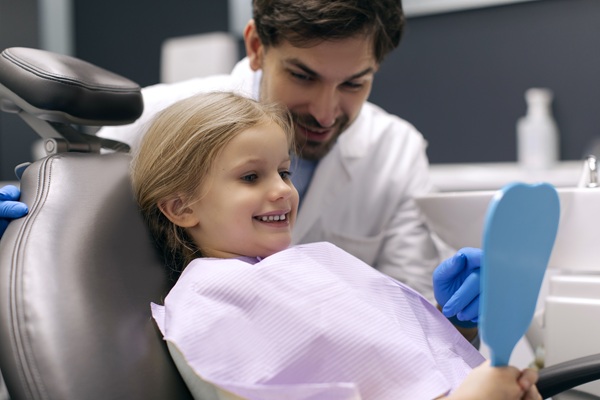
A kid-friendly dentist supports healthy habits, positive visits, and confident smiles from the first tooth forward. Parents often ask how to prepare children, what treatments to expect, and how to prevent cavities. These frequently asked questions provide clear guidance from a general, family, and pediatric care perspective, enabling families to choose the right kid-friendly dentist and develop a long-term plan for oral health.
1. At what age should a child first see the dentist?
Schedule the first visit by the child's first birthday or within six months of the first tooth eruption. Early visits create comfort, establish a baseline, and guide proper brushing, flossing, and dietary habits. The dentist checks growth patterns, tongue and lip ties, and the timing of tooth eruption. Parents receive coaching on fluoride, teething relief, and injury prevention. Early visits with a kid-friendly dentist can help reduce anxiety and encourage children to view dental care as a normal part of life.
2. How can parents prepare children for a visit?
Use simple, positive language. Read a short picture book about dental visits. Practice “open wide” at home. Plan appointments earlier in the day when your attention and energy are at their highest. Bring a favorite small toy for comfort. Please share any relevant medical history, current medications, or sensory preferences with the team. A kid-friendly dentist designs calm, engaging visits with tell-show-do steps, child-sized tools, and rewards that reinforce brave behavior and cooperation.
3. Which treatments support cavity prevention?
Prevention starts with daily brushing using a small smear of fluoride toothpaste for toddlers and a pea-sized amount for children over three years old. Floss once teeth touch. Choose water over juice between meals. Regular cleanings remove buildup that brushing misses. Professional fluoride helps strengthen enamel and reduce sensitivity. Sealants protect deep grooves on permanent molars from trapping plaque. A kid-friendly dentist develops a personalized prevention plan tailored to an individual's age, diet, risk level, and home routines.
4. What if a child feels anxious or struggles to sit still?
Many children feel uncertain in new settings. Teams trained in pediatric behavior guidance use friendly explanations, role-play, and short breaks to maintain comfort. Parents can model calm breathing and encourage small wins. For higher anxiety or complex needs, options may include nitrous oxide or oral sedation, always with careful screening and monitoring. A kid-friendly dentist prioritizes trust, communicates clearly, and celebrates progress to build lasting confidence.
5. How do nutrition and habits affect teeth?
Frequent snacking and consumption of sugary drinks can fuel cavity-causing bacteria. Offer structured meals and snacks, then water between meals. Choose cheese, yogurt, nuts, vegetables, and whole fruits. Limit sticky sweets and slow sipping. Introduce mouthguards for sports. Establish a consistent bedtime routine that concludes with brushing and refrain from offering post-brush snacks or bottles. Regular checkups with a kid-friendly dentist track growth, adjust fluoride recommendations, and reinforce healthy choices.
The bottom line
Strong habits, early visits, and supportive guidance all contribute to healthy smiles. Partner with a kid-friendly dentist, schedule regular checkups, and maintain daily home care to protect your enamel, prevent cavities, and foster a positive attitude toward dental health. For more information or to schedule an appointment, call our office at (262) 276-4601.
To schedule a consultation, request an appointment on our website at https://www.sweetsmilesracine.com or call Sweet Smiles Mt Pleasant at (262) 276-4601 for an appointment in our Mt Pleasant office.
Check out what others are saying about our dental services on Yelp: Kid Friendly Dentist in Mt Pleasant, WI.
Related Posts
An abscessed tooth is a painful and serious dental condition that requires immediate care from an emergency dentist. This condition develops when a bacterial infection forms inside the tooth or gum, leading to swelling, pain, and sometimes fever. Without prompt treatment, the infection can spread to other areas of the body, making early intervention critical…
While toothaches can make eating or even your daily routine unpleasant, a general dentist has various solutions to ease this pain. If the painful tooth is decayed, they can restore it to stop the ache. They can also help ease pain in otherwise healthy teeth through medicine and improved oral hygiene practices. Thus, whether the…
Regular visits to a general dentist are essential for maintaining good oral and overall health. However, many people skip their routine appointments due to scheduling issues or fear of dentists. While these visits may seem inconvenient or unnecessary, they can prevent serious oral health issues down the road. If you are experiencing the following three…
A general dentist helps ease new and lasting tooth sensitivity. This dental issue may be rooted in something as simple as brushing the teeth too hard. Alternatively, it may indicate an underlying oral health condition, like gum disease, that needs restorative treatment. Understanding tooth sensitivity, its causes, and how it is treated can inform patients…